






Expired sunscreen: How to tell if it's still usable ☀️
Here you can find out how to tell if your sunscreen is still safe and why expiration dates matter for sun protection. Learn more!
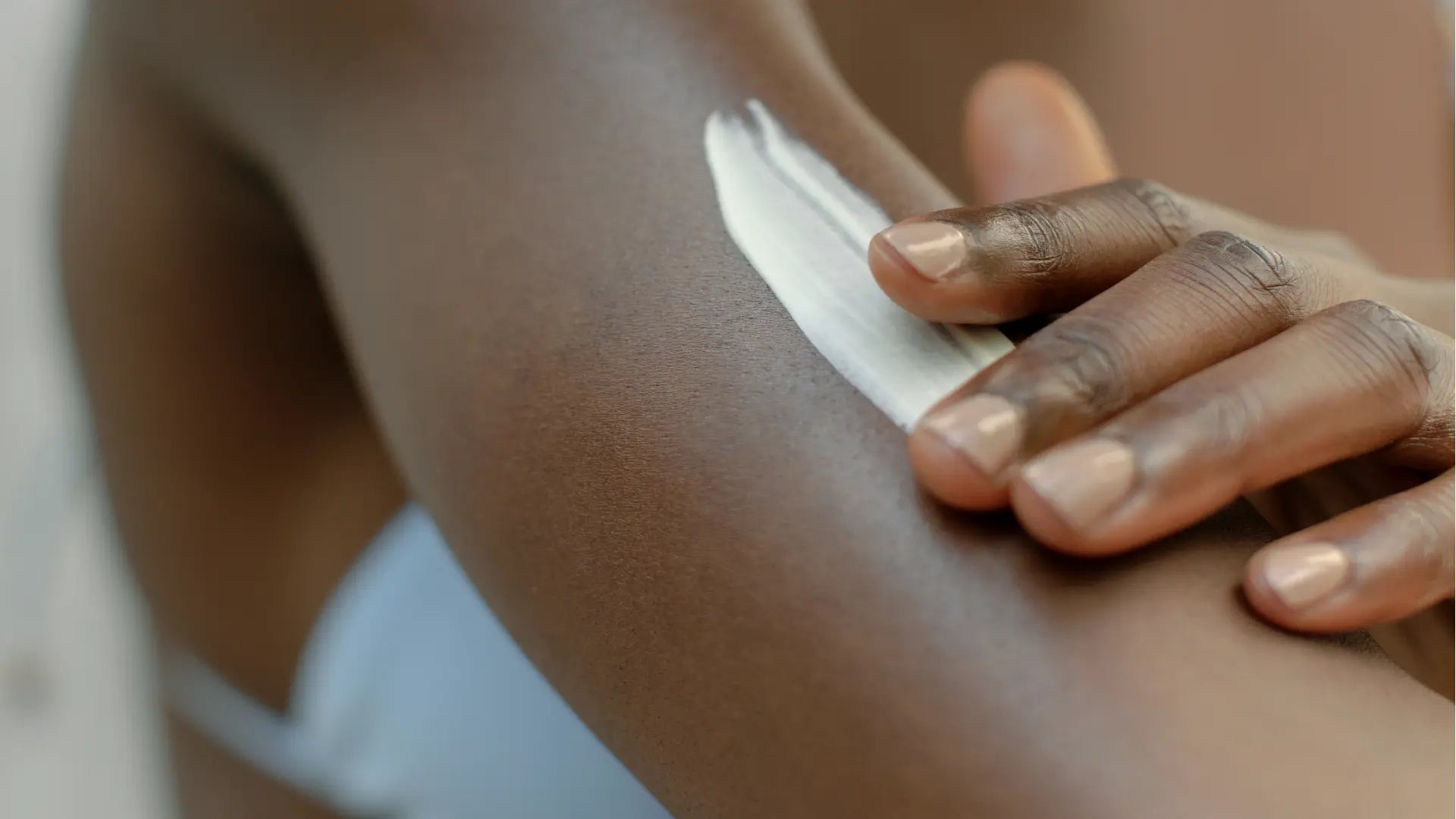
Summer, sun, and an old tube of sunscreen from last year? Many people wonder: can I still use this, or should I throw it away? Here, you’ll find out how to tell if your sunscreen is still safe and why expiration dates matter for sun protection.
1. What does the expiration date on sunscreen mean?
There are two indications for sunscreen:
-
Best-before date (BBD): Applies to unopened products, usually 2–3 years.
-
Jar symbol (12M): Indicates how long the cream is effective after opening (e.g., 12 months).
💡 Tip: An unopened cream can often still be okay after the BBD. However, you should dispose of an opened tube after one year, even if the BBD has not yet passed.
2. Why sunscreen goes bad
Sunscreen changes over time:
UV filters degrade, the texture separates, and in some cases, even questionable substances can form.
In particular, octocrylene, a frequently used UV filter, can break down into benzophenone, a substance considered potentially carcinogenic. The older the cream or the warmer it is stored, the stronger this effect.
👉 Good to know: V.SUN fundamentally avoids the use of octocrylene. Our formulations instead rely on modern UV filters that do not form problematic degradation products.
Heat and direct sunlight additionally accelerate the aging process. A tube that has been in the car or in the sun for a long time can therefore become unusable after just a few weeks.
3. How to tell if sunscreen is bad
Your senses are your best guide here:
-
Does the cream smell rancid or chemical?
-
Has oil separated or the texture changed?
-
Is the texture lumpy, discolored, or too runny?
If so: Dispose of it immediately!
Even if the appearance and smell are normal, the UV protection may already be weakened.

4. The danger of expired sunscreen
If you use old sunscreen, the SPF can drop drastically—an SPF 50 can quickly become an SPF 10 or less.
The risk: sunburn, skin irritation, or allergic reactions.
5. When you can still use it and when not
✅ Okay if:
-
expired by a maximum of 2–3 months,
-
unopened & stored in a cool place,
-
no unusual smell or change in consistency,
-
octocrylene-free (as with V.SUN).
🚫 Dispose of it if:
-
older than one year (opened),
-
the texture smells, has changed, or is discolored,
-
the cream has been exposed to heat,
-
it is intended for children (special caution is required here!).
6. How to store sunscreen correctly 🌿
-
Cool & dark: ideally in a cupboard, not in a humid bathroom.
-
Do not leave it in the car or in the sun.
-
Close the tube tightly to keep out air and bacteria.
Stored in a cool and dry place, sunscreen remains stable in its formulation for significantly longer.
7. Buying new sunscreen: what to look out for
When purchasing, it’s worth taking a look at the ingredients. Modern formulations without octocrylene are more stable and safer.
V.SUN completely avoids octocrylene and relies on modern UV filters that remain stable.
Our care formulas with ectoin, hyaluronic acid, and vitamin E provide additional nourishment for the skin.

💛 Conclusion: For you. For your skin.
Sunscreen is not a product to "use up," but one to trust. If you are unsure, it is better to dispose of old products; your skin will thank you for it.
With V.SUN, you can rely on stable, modern, and octocrylene-free formulations that not only protect reliably but also nourish the skin.
Our products have a shelf life of 36 months when unopened and are safe to use for twelve months after opening, providing optimal protection and a good feeling every time you apply them.
This way, your sun protection remains as responsible as your lifestyle: conscious, safe, and with sun in your heart. 🌞